


Son Yazılarımız
Yardıma mı ihtiyacınız var?
Projeleriniz hakkında detaylı bilgi almak için uzman ekibimizle hemen iletişime geçin.
☎
With the growing awareness of environmental sustainability, the energy efficiency of buildings has become one of the most critical and important factors in the construction industry. Reducing the environmental impact of buildings, using energy resources more efficiently, and minimizing carbon footprints are among the top priorities in construction projects today.
At this point, sandwich panels emerge as an effective solution for thermal insulation and safety. Sandwich panels provide high-level thermal insulation to the structure along with their inner core. This helps maintain a stable indoor temperature independent of external conditions and offers a comfortable living space indoors. They reduce energy consumption by protecting against cold in winter and heat in summer, thereby lowering heating and cooling costs.
Sandwich panels make significant contributions to the construction industry in important areas such as energy efficiency and sustainability. With their superior thermal insulation and safety features, these panels play an indispensable role in the construction of environmentally friendly and cost-effective buildings.
What are sandwich panels?
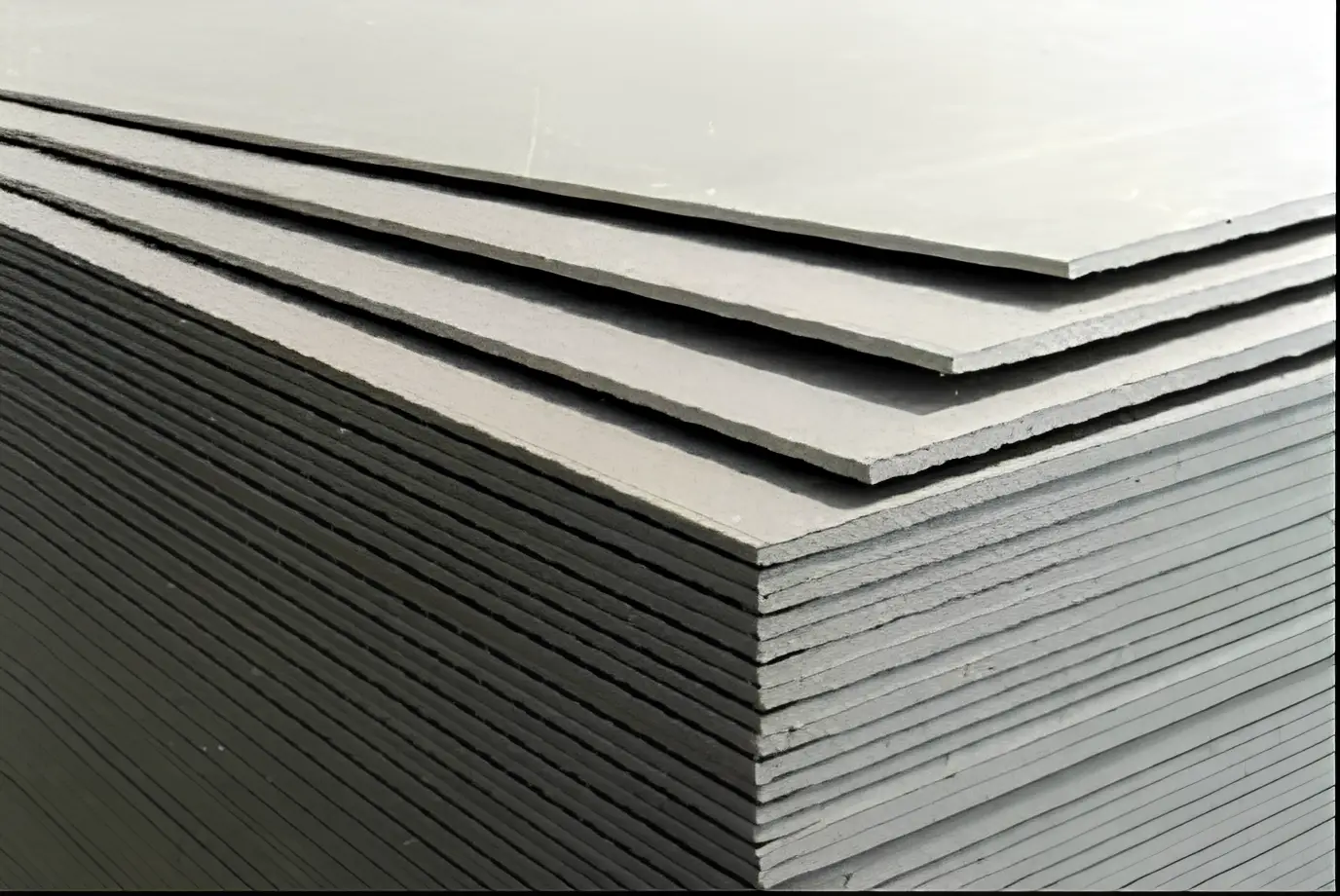
Sandwich panels are a composite modular building material that is structurally rigid yet relatively lightweight, providing insulation for roofs and facades. The insulation core of this composite system is primarily composed of polyurethane (PUR) and polyisocyanurate (PIR), along with polystyrene (EPS), rock wool, and glass wool. Each panel consists of an inner core and two outer structures carefully attached to both sides of the core. The outer structures not only maintain the panels’ structural integrity but also protect the core, ensuring both structural integrity and thermal insulation by providing resistance to extreme weather conditions. Sandwich panels are considered curtain materials, not structural materials. This means that structural forces are transferred to the steel skeleton or other load-bearing frame to which the sandwich panels are attached.
Sandwich panels, used as cladding materials in roofs, facades, interior partitions, or cold storage facilities, stand out in architectural preferences due to their quick installation, high insulation properties, and high load-bearing capacity. The load-bearing capacity of sandwich panels depends on panel thickness, the shape of metal surfaces, the density of the panel filling material, and metal thicknesses. The choice of panel form and the thickness of the metals to be used are determined according to the area where the panels will be used and the amount of load they will bear. When determining the panel thickness, the type of internal filling material and the climatic conditions of the region where the panels will be used are taken into consideration. Sandwich panels provide water and heat insulation without the need for plaster or paint, creating an aesthetic outer shell for buildings. The metal layers of sandwich panels are made of natural aluminum, painted aluminum, painted galvanized sheet metal, or stainless steel. Color options can be selected from the RAL Catalog according to customer preferences.
Types of sandwich panels
The types of sandwich panels produced throughout Turkey can be listed as follows.
Roof Panel
5-ribbed Roof Panels
4-ribbed Roof Panels
3-ribbed Roof Panels
Facade Panel
Hidden Screw Facade Panels
External Screw Facade Panels
Cold Room Panel
Why should sandwich panels be preferred?
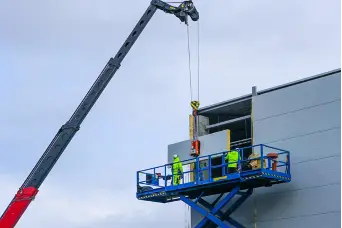
Let’s compare two popular technologies used in warehouse construction, for example. In the first case, the exterior walls are made of double brick walls, while in the second case, they are made of sandwich panels. Wall construction, thermal insulation installation, and finally exterior layer installation. By choosing sandwich panels, the construction process becomes much less complex and therefore faster and, most importantly, cheaper. The panels are pre-fabricated components suitable for easy installation on, for example, a steel structure.
Considering the current state of the construction services market, the construction timeline plays a key role in the cost optimization process. The faster the structure is completed, the less we spend on construction services, which have significantly increased in recent years. A faster construction completion process also means an earlier start to occupancy, which increases the return on investment for business projects.
Sectors Using Sandwich Panels
Construction Sector: Sandwich panels are used in many structures for interior and exterior facades, roofs, and walls.
They are particularly preferred for commercial structures such as industrial buildings, cold storage facilities, workshops, and showrooms.
Transportation Sector: In the transportation sector, sandwich panels are widely used, especially for cold chain transportation. They are used in transportation vehicles such as truck and trailer bodies, containers, train cars, and ship containers.
Energy Sector: Sandwich panels are used in solar power plants, wind turbines, and other energy production facilities. They are used on the roofs and walls of such facilities.
Agriculture Sector: Sandwich panels are used in animal shelters and storage areas.
These panels are widely used in cold storage facilities in the agriculture sector for storing meat, milk, and other products.
Sports and Entertainment Sector: Sandwich panels are used in stadiums, indoor sports halls, and other entertainment facilities. They are particularly used in the roofs, stands, and other areas of stadiums.
Other Sectors: Sandwich panels can also be used in many other sectors. For example, they can be used in billboards, airports, hospitals, schools, hotels, and many other structures.
Areas of Use for Sandwich Panels
Sandwich panels are widely used in various types of structures:
Industrial Buildings: They are commonly used in industrial structures such as factories, warehouses, cold storage facilities, and logistics centers. Their high insulation and fire resistance properties make them ideal for these areas.
Commercial Buildings: They provide aesthetics and functionality in commercial structures such as shopping centers, office buildings, and showrooms.
Agricultural and Livestock Structures: Sandwich panels are also used in agricultural and livestock structures such as farm buildings, barns, and greenhouses. They meet the hygiene and insulation standards required for these structures.
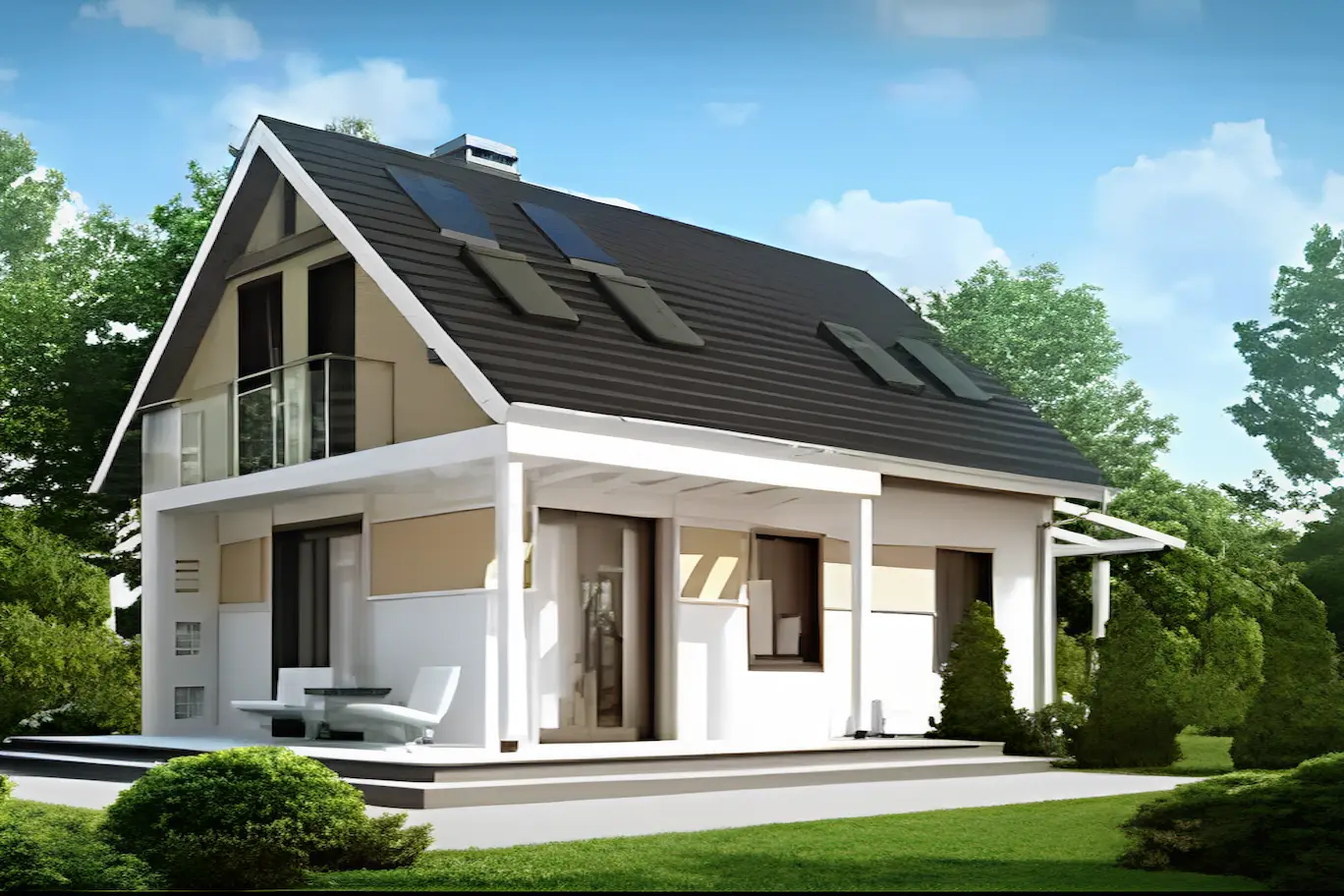
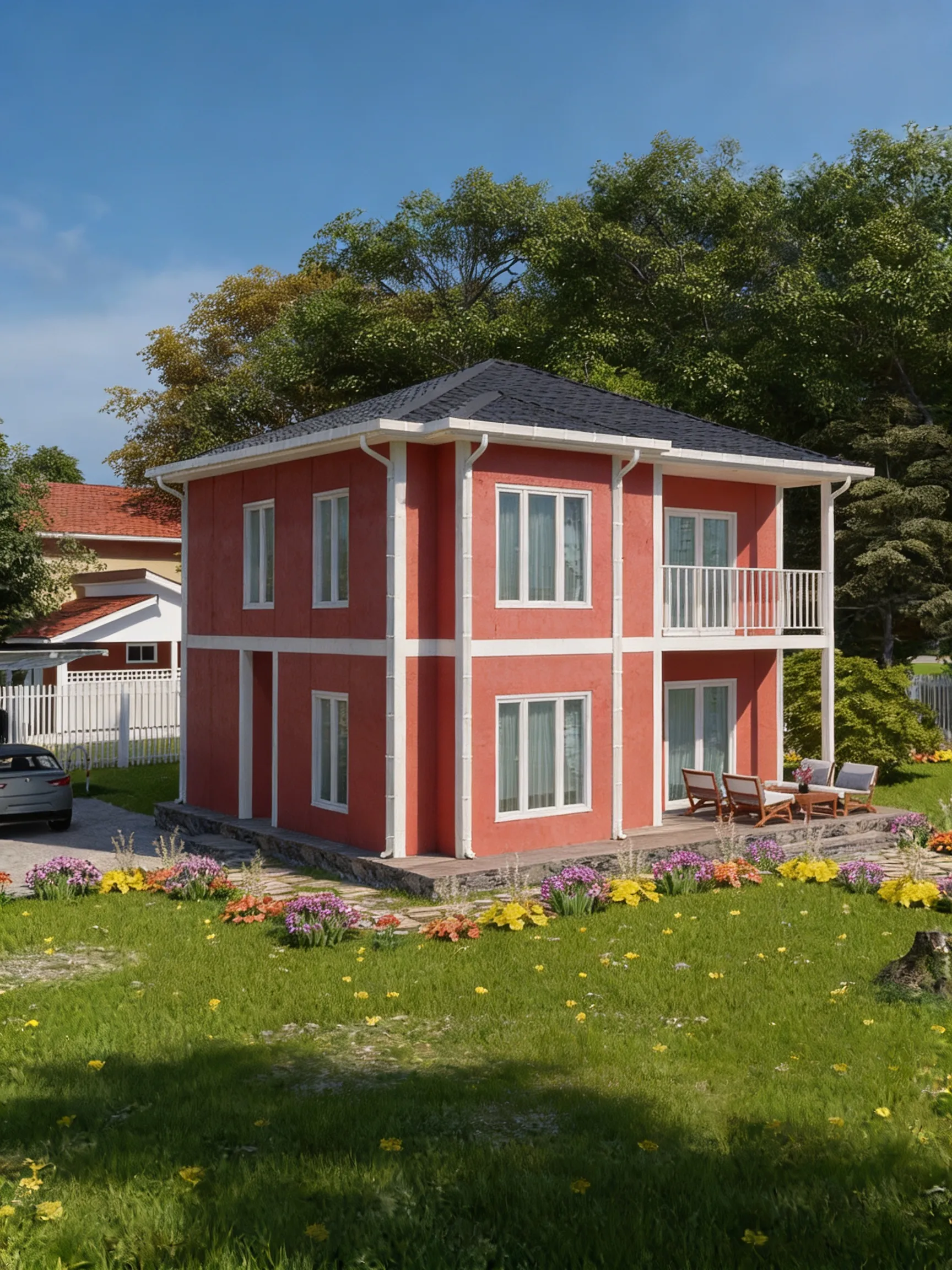
Residential Buildings: Sandwich panels are also preferred in prefabricated houses and villas. The fast construction time and energy efficiency provide significant advantages for residential projects.
Sports and Entertainment Facilities: Sandwich panels are also used in sports halls, swimming pools, and entertainment centers. Since these structures have wide spans, lightweight and durable building materials are preferred.
Advantages of Sandwich Panels
High Insulation Performance: Sandwich panels, especially those filled with polyurethane and PIR, provide high thermal insulation. This increases the energy efficiency of buildings, reducing heating and cooling costs.
Quick and Easy Installation: Thanks to their lightweight construction and modular design, sandwich panels are quick and easy to install. This reduces construction time and labor costs.
Fire Resistance: Sandwich panels filled with rock wool provide high fire resistance and prevent the spread of fire. This is a major advantage, especially for industrial buildings.
Aesthetic Diversity: Sandwich panels offer aesthetic advantages with a variety of color and coating options. This allows for freedom in your architectural designs.
Durability and Long Life: Thanks to their metal surfaces and high-quality filling materials, sandwich panels are durable and resistant to external factors.
Fire performance of sandwich panels
The resistance of a material to fire, also described by its flammability capacity, is referred to as fire performance.
Fire resistance tests are conducted by modeling the joint lines of facade and roof panels, where fire spreads most extensively in a building, on a small scale. All standards and test methods related to the fire performance of sandwich panels are detailed in TS EN 14509.
Materials are classified into six different categories, starting from A1 to F. Other material classes are also determined based on the amount of smoke and dripping produced after a fire.
TS EN ISO 11925-2: Ignition Tests (SFI): This fire test method simulates the application of a flame source the size of a lighter to the corner or surface of a sample for 15 or 30 seconds.
TS EN 13823: Fire reaction tests (SBI): This test method determines the fire reaction of materials in classes A2, B, C, and D. On the other hand, classification is made as d0, d1, or d2 based on whether dripping occurs within the first 10 minutes and whether the dripping particles burn for more than 10 seconds. Classification is also made as s1, s2, or s3 based on the condition revealed within the first 10 minutes.
PUR/PIR: The correct chemical formulation offers advantages in terms of fire performance in plastic foams. High isocyanate ratios and flame-retardant additives are decisive factors in the fire performance of polyurethanes.
XPS/EPS: Both expanded polystyrene (EPS) and extruded polystyrene (XPS) are the plastic foams with the lowest fire resistance. They begin to melt and form fire droplets at 100 °C.
ROCK WOOL: Rock wool materials, which belong to the inorganic material group, are classified as non-combustible. Rock wool-filled panels offer the best performance in fire-resistant facade, roof, and interior partition wall applications. The fire resistance of rock wool-filled sandwich panels can vary between 30 and 120 minutes, depending on the type of rock wool, thickness, and joint details.