


Son Yazılarımız
Yardıma mı ihtiyacınız var?
Projeleriniz hakkında detaylı bilgi almak için uzman ekibimizle hemen iletişime geçin.
☎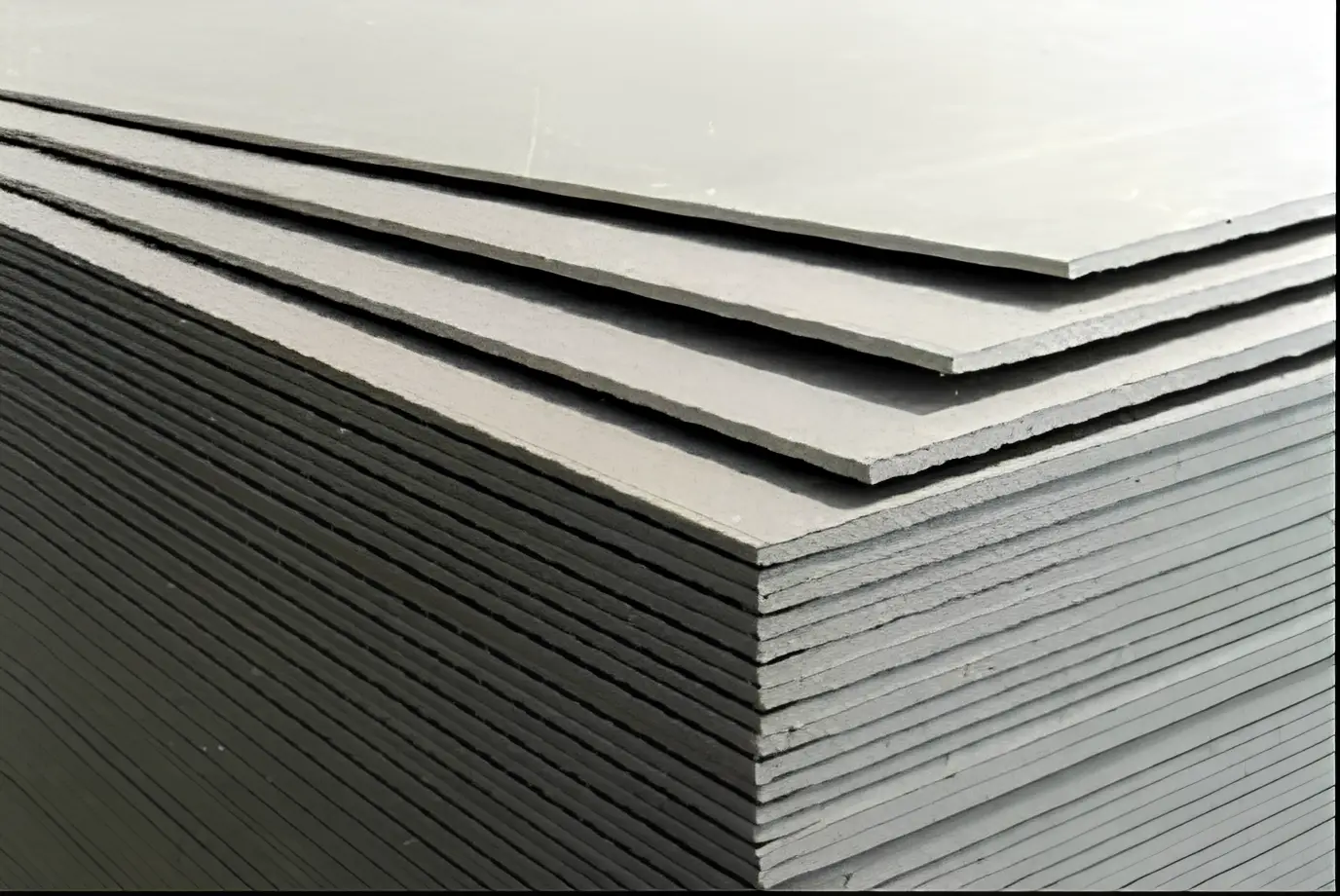
Fibercement is a prominent modern building material composed primarily of a mixture of cement and synthetic fibers. This composite material is known for its high durability, excellent resistance to fire and moisture, long service life, and low maintenance requirements. Fiber cement is commonly used in various construction applications such as exterior cladding, roofing materials, and partition wall panels. It also offers aesthetic flexibility, making it a preferred choice in modern architecture with its variety of color and texture options. Additionally, it stands out as a sustainable construction material due to its environmentally friendly production processes and energy efficiency.
Composition and Production of Fiber Cement
Fiber cement is essentially a mixture of Portland cement, synthetic fibers (usually polypropylene or polyvinyl alcohol), sand, and water. These components are combined under high pressure and temperature to form a strong and flexible building material. Modern fiber cement production is carried out using environmentally friendly methods and is generally asbestos-free.
Fiber cement is a building material composed of cement, synthetic fibers, sand, and water. It is typically produced using Portland cement and synthetic fibers such as polypropylene or polyvinyl alcohol. These components are mixed in specific ratios and then pressed under high pressure and temperature to harden and form a durable material. Environmentally conscious methods are adopted in the production process, and modern fiber cement production does not contain asbestos to prevent health concerns. This process ensures that fiber cement is highly resistant to water, fire, and abrasion, while also guaranteeing that it is a lightweight and flexible building material. The production of fiber cement is supported by sustainable practices that focus on energy efficiency and aim to reduce the material’s environmental footprint.
Applications of Fiber Cement
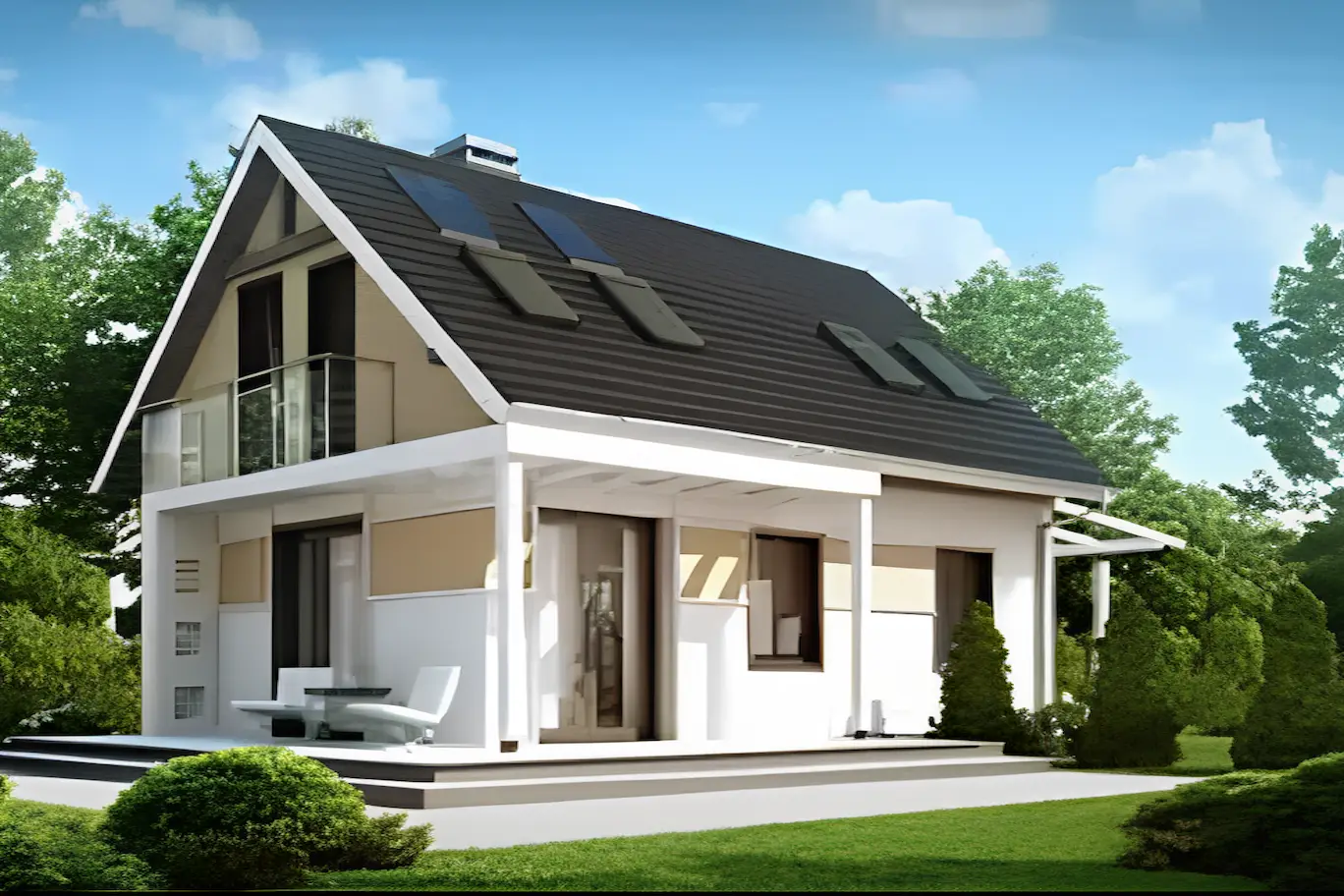
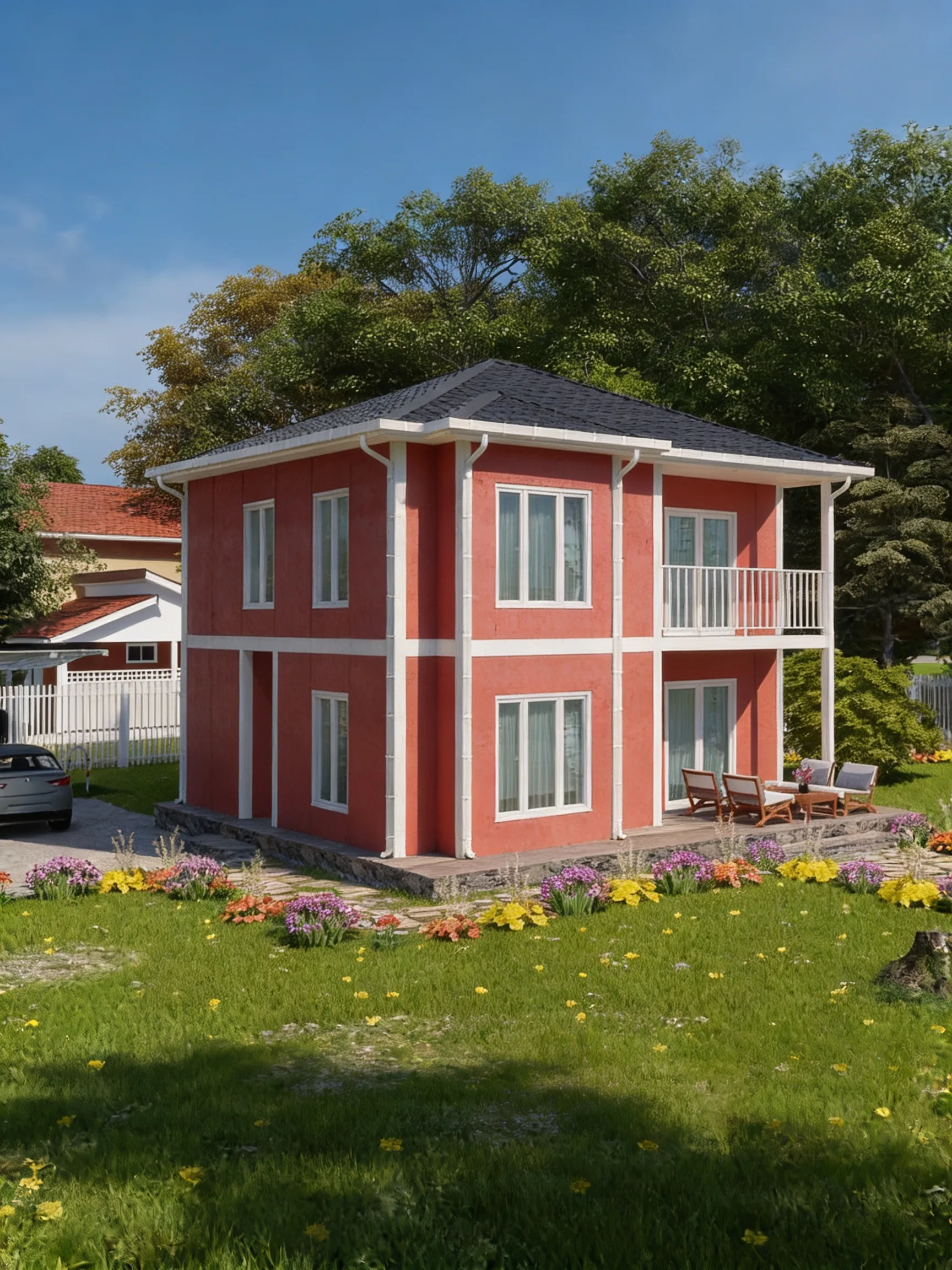
This versatile material is primarily used in exterior cladding, roofing materials, and partition wall panels. Additionally, its fire resistance and high water resistance make it ideal for industrial and commercial buildings.
Fiber cement has a wide range of applications in the construction industry due to its versatility and durability. Its most common use is in exterior cladding and roofing materials, where it provides superior protection against weather conditions and offers an aesthetic appearance. It is also a preferred material for interior applications such as partition walls, ceiling coverings, and floor coverings. Fiber cement’s fire resistance makes it ideal for structures with special requirements, such as industrial buildings, warehouses, and buildings with high fire safety standards. It is also frequently used in exterior renovation projects for commercial and public buildings. Fiber cement offers an effective solution for both new construction projects and renovations of existing structures due to its light weight and ease of processing. This wide range of applications ensures that fiber cement remains a popular and reliable material in the construction industry.
The applications of fiber cement are quite extensive, and this material can be used in various applications both indoors and outdoors. Exterior cladding is one of the most common applications for fiber cement; the material’s durability and aesthetic versatility provide long-term protection while giving buildings a modern look. Fiber cement is also preferred for roofing and underlayment panels, enhancing the performance of roof structures with its lightweight and easy installation. In indoor spaces, it is used for partition walls, ceiling coverings, and floor coverings; it is preferred for its moisture control and acoustic performance properties. Additionally, fiber cement materials are frequently used in outdoor applications such as garden landscaping, boundary walls, and advertising panels.
Fiber cement has a wide range of applications in the construction industry due to its flexibility and durability. It is a preferred material in many different areas, from exterior cladding to roof shingles, floor coverings to interior wall panels. Especially in outdoor applications, fiber cement provides superior protection against weather conditions, offering a solution that can maintain the aesthetic appearance of buildings for many years. This material can adapt to any architectural design with its variety of colors and textures; it can be applied in a wide range of aesthetics, from modern, minimalist designs to traditional and rustic appearances. Fiber cement’s resistance to water and moisture is one of the main reasons it is preferred for wet areas and exterior cladding. Additionally, its use as a fire-resistant material in areas requiring fire safety enhances the safety of structures.
In interior spaces, fiber cement partition walls, ceiling coverings, and floor coverings enhance the aesthetics of spaces while also meeting functional needs. When used as acoustic panels, they provide sound insulation, improving the acoustic performance of spaces such as offices, conference rooms, and educational buildings. Additionally, fibercement stands out as a moisture- and water-resistant surface material in the redesign of wet areas like bathrooms and kitchens. In outdoor applications, it offers both an aesthetic and durable solution for garden walls, fences, and landscape architecture projects. These wide-ranging applications are the main reasons why fibercement has become an indispensable material in the construction industry, as it offers a versatile solution that meets both aesthetic and functional needs.
Fiber Cement Properties
Among the most important properties of fiber cement are high durability, resistance to water and moisture, fire safety, environmental friendliness, and aesthetic diversity. This material exhibits excellent resistance to wear and tear caused by weather conditions over many years. Its high resistance to moisture and water makes fiber cement ideal for exterior cladding, roofing, and wet areas. Additionally, it offers Class A fire resistance, enabling the construction of buildings with high fire safety standards. As an environmentally friendly material, fiber cement is preferred in sustainable building designs, standing out for its low carbon footprint and recyclable properties. Aesthetically, it offers a variety of color and texture options, making it suitable for both modern and traditional architectural designs.
Fiber cement is a material that stands out in the construction industry with its superior engineering properties. Among the most notable features of this material are mechanical strength, resistance to water and moisture, fire resistance, environmental sustainability, and aesthetic adaptability. The high mechanical strength of fiber cement enhances structural integrity while improving the strength of structures without adding weight. This feature makes fiber cement a preferred choice for reinforcing structures, especially in earthquake-prone areas. Its superior resistance to water and moisture makes fiber cement an ideal option for wet areas such as bathrooms and kitchens, as well as for exterior cladding. This property ensures long-term protection of structures against moisture and water damage, reducing maintenance and repair costs.
Fire resistance is one of the most important safety features of fiber cement. This material, which has Class A fire resistance, slows down the spread of flames during a fire and provides additional safety. From an environmental sustainability perspective, fiber cement stands out for its low carbon footprint and recyclability. These features are important for green building certifications and sustainable construction projects. Aesthetically, fiber cement can be produced in various colors and textures, offering architects and designers a wide creative scope. Fiber cement easily adapts to both modern and traditional architectural designs, giving buildings a contemporary and aesthetic appearance while also enhancing structural performance.
Fiber cement is a durable material that requires minimal maintenance. It is resistant to moisture, mold, and termites, and provides superior protection against wear and tear. Aesthetically, fiber cement can be produced in various colors and textures, making it a versatile option for architectural designs.
Fibercement has many advantages that make it a preferred material in the construction industry. First, it offers high durability and longevity; it is resistant to moisture, mold, and harmful insects, making it ideal for exterior cladding. Fiber cement also exhibits excellent fire resistance, making it a suitable option for use in high-rise buildings with stringent fire safety requirements. Its lightweight and easy-to-process nature simplifies construction processes and reduces costs. Aesthetically, it is available in a variety of colors and textures, providing architects and designers with a wide range of options to showcase their creativity. Additionally, fiber cement offers long-term cost savings with its low maintenance requirements. Environmentally friendly production processes and sustainable material use make fiber cement an attractive option for compliance with green building certifications and environmental standards. All these advantages are the fundamental reasons why fiber cement is a preferred material in modern construction projects.
Environmental Impacts of Fiber Cement
Sustainability is an important factor in the production of fiber cement. Energy efficiency and low carbon emissions make this material an environmentally friendly option. Additionally, its recyclability makes fiber cement a preferred material for green buildings.
Fiber cement is a highly notable material in terms of environmental impacts. The production process typically focuses on low carbon emissions and energy efficiency, making it a more sustainable building material option. Modern fiber cement products do not contain harmful substances like asbestos, which reduces environmental and health risks both during production and throughout their lifespan. Additionally, fiber cement’s durability ensures that the material can be used for a long time, reducing waste generation and optimizing resource use. The recyclability of some fiber cement products enhances sustainability within the building material lifecycle. Fiber cement’s resistance to moisture and mold helps create healthier living spaces in buildings, improving indoor air quality and protecting the health of building occupants. These environmentally friendly properties make fiber cement a preferred material in green building projects and environmentally conscious construction applications.
The Future of Fiber Cement
With technological advancements in the construction industry, the use and popularity of fiber cement are increasing. Thanks to innovative production techniques and advanced material compositions, fiber cement can become even lighter, more durable, and more environmentally friendly.
The future of fiber cement looks bright, aligning with the industry’s trends toward sustainability and innovation. Through the integration of innovative production technologies and advanced material science, fiber cement can become even lighter, more durable, and more environmentally friendly. Global efforts to improve energy efficiency and reduce carbon footprints will increase demand for sustainable materials such as fibercement. Additionally, to meet the growing need for creativity among architects and designers, fibercement products with greater aesthetic and functional diversity can be developed. Technological advancements can further improve the material’s recyclability and lifecycle performance, making fiber cement more compatible with green building certifications and environmental standards. In short, fiber cement will continue to play a significant role in both the construction industry and sustainable material usage, evolving in tandem with emerging technologies.
Fibercement stands out as a material that meets the requirements of modern construction. With its durability, aesthetic diversity, and environmentally friendly properties, it will continue to be a preferred material for both current and future construction projects.